

If you’re pregnant, or trying to get pregnant, you may have heard of DHA. But what is DHA and how much is recommended to take during pregnancy? This article will explore the importance of DHA for maternal and fetal health during pregnancy.
What is the Meaning of DHA?
DHA is an acronym for docosahexaenoic acid (no wonder it’s abbreviated!). It is one of the essential Omega-3 fatty acids your body needs to function, and your baby needs to grow and develop during pregnancy.
Why is DHA Important, Especially During Pregnancy?
For an in-utero baby, Omega-3 fatty acids such as DHA and EPA are important nutrients because they play an essential role in a baby’s development, such as the brain and eyes.
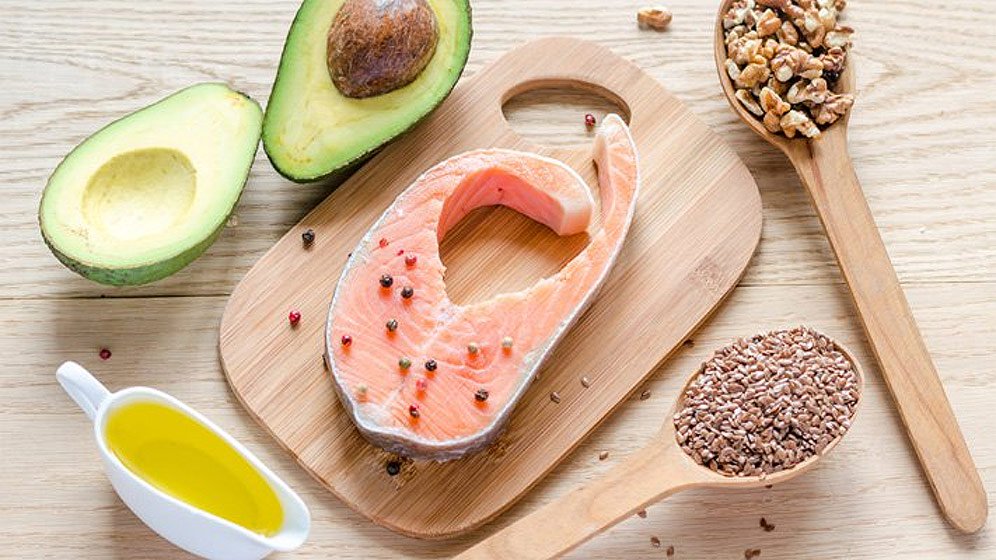
During pregnancy or nursing, babies rely on the mother’s body to provide the necessary DHA. Yet, most people do not get enough DHA in their everyday diets, as it’s primarily found in fatty fish like salmon, anchovies, and herring. While tuna is also rich in DHA, pregnant women are cautioned to limit albacore tuna to under 6 oz. a week due to potentially high mercury levels.
Given the crucial role of DHA in supporting pregnant mothers and their babies, if you don’t like eating fish you may want to consider a fish oil or DHA supplement.
When to Start Taking DHA Supplements During Pregnancy
If you are trying to conceive, doctors recommend that you start taking a prenatal supplement containing folic acid before you get pregnant. If you’re trying to get pregnant, it’s also important to monitor ovulation and pinpoint your most fertile days. Your doctor may also suggest eating fish (within the recommended amounts) to help get DHA.
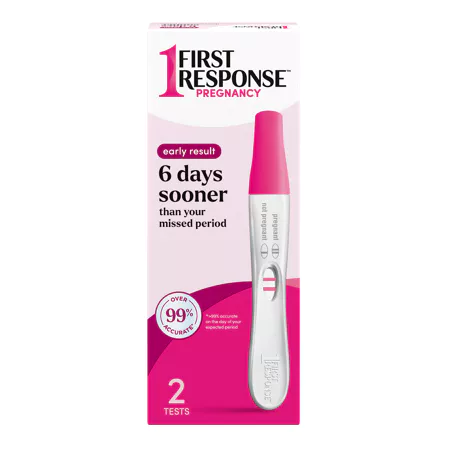
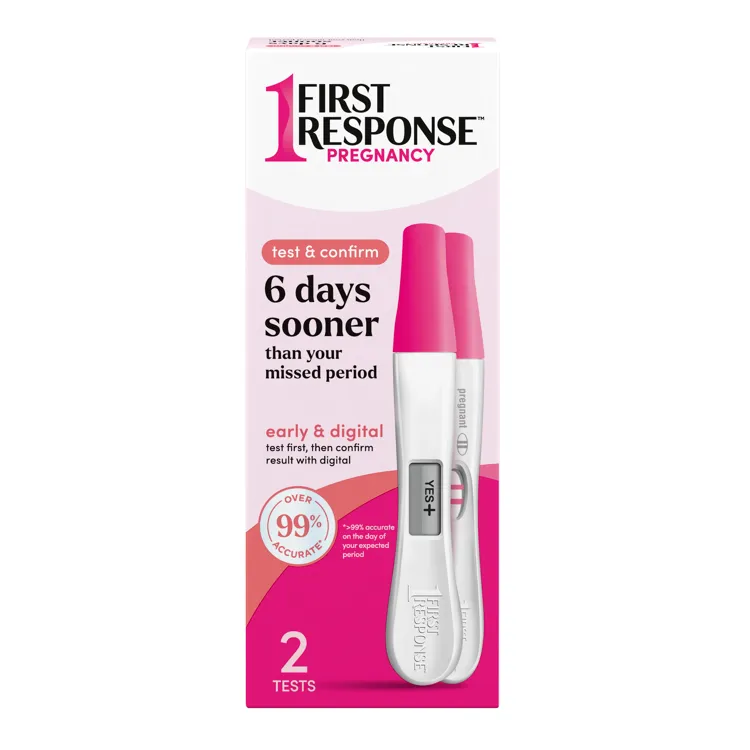
If your pregnancy was unplanned, start taking a prenatal supplement as soon as you know you are pregnant. FIRST RESPONSE™ Early Result Pregnancy Test can tell you whether you’re pregnant 6 days sooner than the day of your missed period.1
How Much DHA During Pregnancy is Recommended?
The American Congress of Obstetricians and Gynecologists and the Food and Drug Administration recommend eating two to three, 4 oz. servings of cooked fish or shellfish containing Omega-3 fatty acids per week (8–12 ounces total) before getting pregnant, while pregnant, and during breastfeeding. It’s important to choose from a variety of seafood that are lower in mercury. This chart from the FDA can help you choose which fish to eat, and it’s advisable to talk to your doctor about which types of fish and seafood are safe to consume during pregnancy.
Can You Take Fish Oil While Pregnant?
If fish dinners aren’t regularly on your menu or you have other concerns, you can find DHA in some prenatal vitamins. There are also plenty of Omega-3 fatty acid or fish oil supplements available that contain DHA, providing docosahexaenoic acid for pregnancy. Make sure you check with your doctor before starting any supplement regimen.
Looking for more support along the way? Explore our other pregnancy articles for helpful guidance and insights.