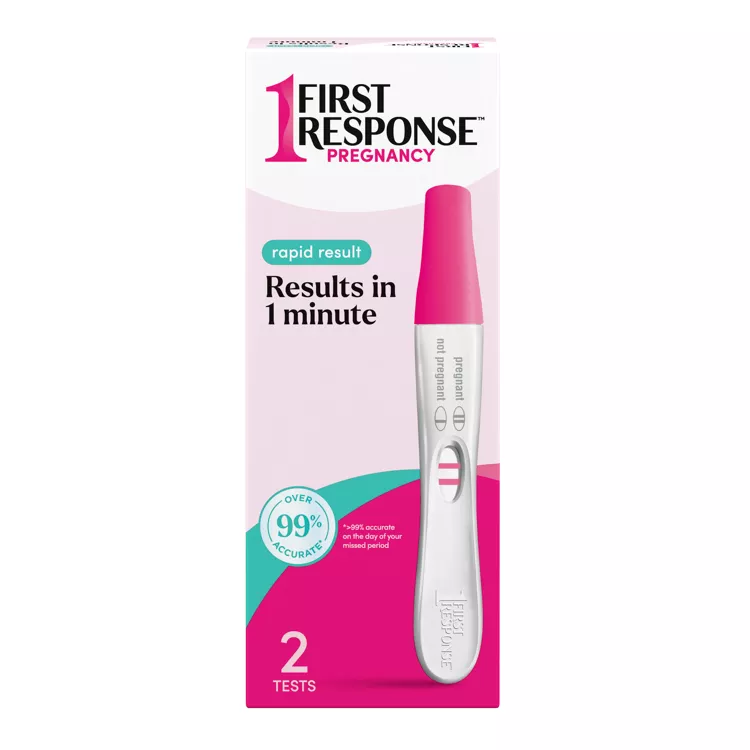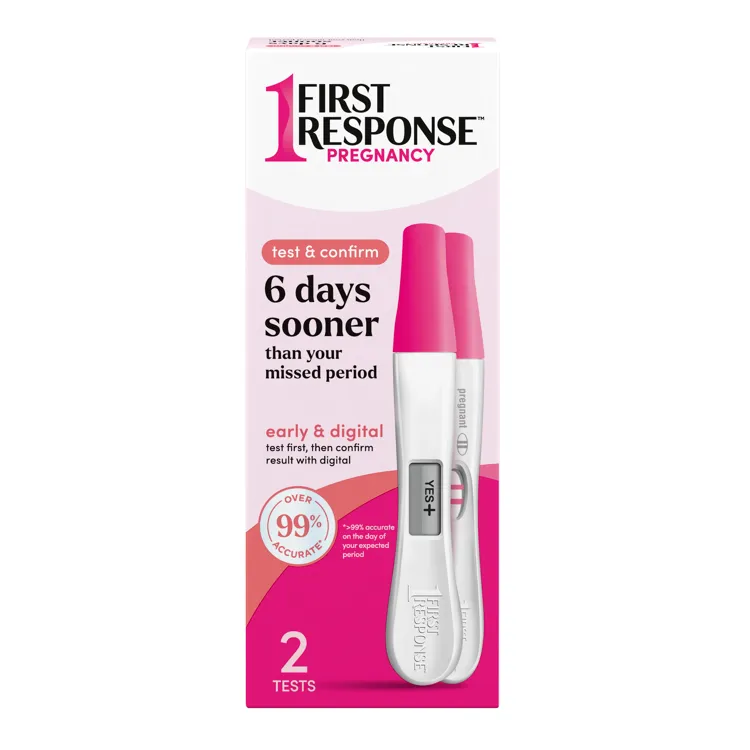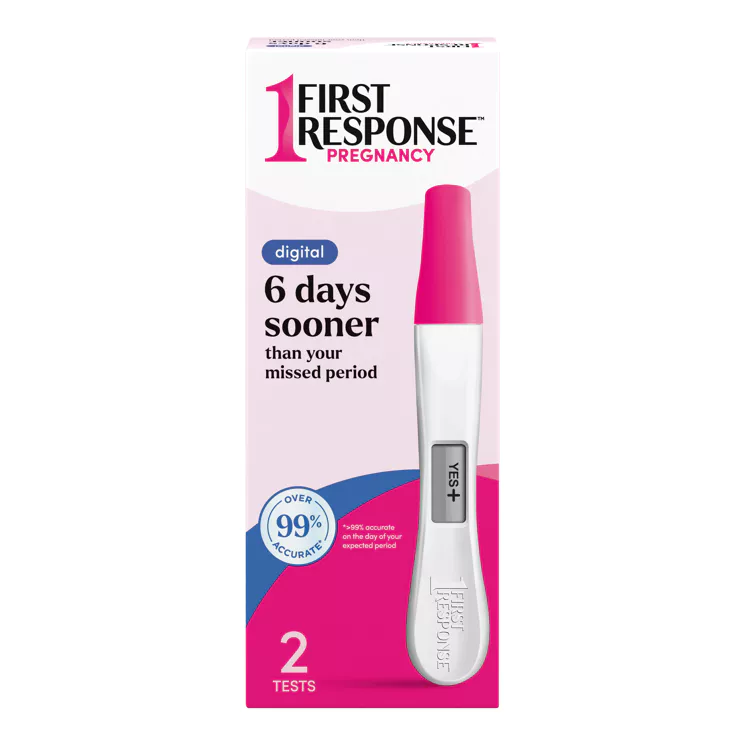




Whether you have just started trying to conceive or you have been trying for years, there are things you can do to give yourself the best chance of getting pregnant. In general, couples have about a 20% chance of conceiving each month. Approximately 80% of couples will conceive in their first 6 months of trying, if you haven’t during this time you need to take things seriously. Some physicians will ask you to wait a year before making an appointment, but you don’t have to, and if you are in your thirties you should NOT wait for more than 6 months before scheduling an appointment.
4 Top Reasons for Failing to Conceive
First you need to understand why you may not be conceiving. Approximately 75% of the time couples who are not conceiving (that are infertile) have one of the following 4 problems.
- Poor Sperm Quality: At least 40% of the time, when a couple is not conceiving there is some component of abnormal or poor quality sperm. This may be all of the problem, or partially the problem (so that both the man and the woman are contributing).
- Abnormal Ovulation Cycle: This often has to do with hormonal abnormalities, and can be seen as failure to ovulate or cycle normally, or chemical pregnancy and losses. Working with an OOB/GYN or Reproductive Endocrinologist (RE) to evaluate how your ovaries are functioning is critical. While you are waiting, keep a careful, detailed log of when you have your period, when you have any ovulation mucus, and any other information on your cycle. The very best book on monitoring this is Toni Weschler’s book, Taking Charge of Your Fertility.
- Tubal Problems: Many women have blocked tubes that keep the sperm and egg from meeting. The only way to know if this is the case is to have special testing done. In general, couples often wait too long to have this testing. It can be helpful to know what is going on, and in some cases the testing itself can help promote conception. Especially if you have had a history of Chlamydia or Bacterial Vaginosis, have this checked!
- Poorly Timed Intercourse: Many couples do not have intercourse at the right time. Specifically, some women ovulate a little later than ovulation kits suggest. So they are quitting the baby making too soon before a healthy egg is present. Use an ovulation timing kit like First Response or cervical mucus quality tracking as described in Taking Charge of Your Fertility to time your fertile window and have intercourse every other day during this time.
Optimizing Your Natural Fertility
Now that you know what could be limiting your chances of conception, we can focus on how to help optimize your natural fertility. Follow these steps each cycle to give yourself the best chance of getting pregnant.
- Track your ovulation cycle. Generally, ovulation occurs 14 days prior to the next period. Ovulation predictor kits (like the First Response Daily Digital Ovulation Test) can be used to help monitor hormonal changes in the body and find your “fertile window”.
- Find your “fertile window”. Based on your ovulation cycle, the fertile window is typically the four- to five-day window ending on the day of ovulation. Try to have lots of baby-making sex during this timeframe.
- Have more frequent intercourse. According to the American Society of Reproductive Medicine (ASRM), you are most likely to get pregnant when you have intercourse every 1-2 days during the fertile window. Long periods of abstinence can actually decrease the quality of sperm.
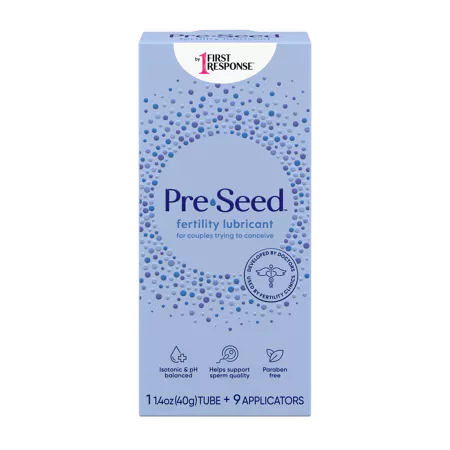
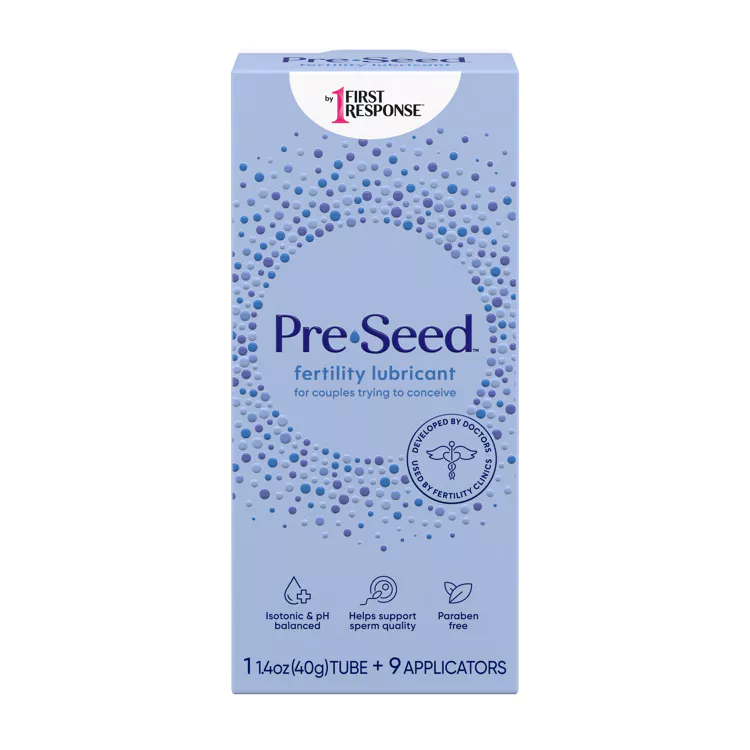
- Use a fertility-friendly lubricant. Use Pre-Seed to make this baby-making sex more comfortable and fun! Clinical studies show that Pre-Seed is safe for use when trying to conceive, so you can be confident you are using the right lubricant to optimize your natural fertility.
Unfortunately there is no guarantee that you will get pregnant immediately, so don’t get discouraged if it doesn’t happen right away. When you are optimizing your natural fertility, you are trying to give yourself the best odds of success as you try for a baby. It is a good idea to consult your physician if you have tried to conceive for at least 1 year if you are under the age of 35, or 6 months if you are older than 35, without success. Best wishes on your baby-making journey!
Did these natural fertility tips help you get pregnant? Tell us if Pre-Seed worked for you!
Dr. Joanna Ellington (Dr. E) discusses real life issues at her informative blog Sex, Science and Nature. She is an internationally recognized scientist in the area of Sperm Physiology. During her National Institute of Health-funded research into what makes healthy sperm, Dr. Ellington realized that many couples were using lubricants that killed sperm. Dr. Ellington’s research led her to invent Pre-Seed’s patented “fertility-friendly” lubricant formula that is clinically shown to be safe for couples trying to conceive. Chat with us on Facebook, Twitter and Google+