



Congratulations! You’ve decided to have a baby and that’s a very exciting time of your life. But remember, making a baby can take time. So be patient, especially when your friends seem to constantly be sharing their good news and the in-laws are asking, ‘Are you pregnant yet?’ every time they see you. Often, after years of painstaking birth control, it can be a tough realization that getting pregnant when you finally want to may not be as easy as you thought.
When you decide it is time to try for baby, one of the first things you should do is schedule some time to talk with your doctor. Here are a few questions to ask your doctor when you are trying to conceive (TTC):
- How long should it take for me to get pregnant?
This depends on a great number of factors. But realize that making a baby takes time, often up to 12 months. If you’ve been trying for longer than a year, see your doctor to begin an infertility evaluation. If you’re older than 35, it can take longer because of aging impact on your eggs, so start your evaluation after 6 months if you have not conceived . Don’t panic, try to be patient and have fun in the process. After all, stress will only exacerbate the challenge. - How much will my age really affect my chances?
The chances of a woman naturally having a baby after age 35 decline by about 50 percent, and they decline by about 90 percent after age 40. So if having a baby is in your future plans, get started sooner rather than later. If you’re under 35, see an infertility expert after one year of trying without success. If you’re 35 or more, see an infertility expert if you don’t conceive naturally within six months. If you’re over 38, be seen after 3 months of unsuccessful trying. Though conceiving after 40 may be difficult, it’s not impossible, so ask your doctor what else you can do. - Should I take prenatal vitamins? What kind?
Yes. Eating healthy will raise your chances of conceiving and having a healthy pregnancy (that means cutting out the junk food and loading up on greens), and prenatal vitamins help fill in any holes in the mother’s diet. When you first start thinking about having a baby, ask your doctor to recommend a good prenatal vitamin with folic acid, calcium, and lots of Vitamin B6. Also, take an Omega-3 fish oil. Look for those with a higher milligrams of DHA. - Does timing matter?
Your best bet is to have intercourse just before and during ovulation, which happens anywhere from 13 to 20 days before your period. I recommend using a First Response Ovulation Test Kit to time intercourse. To optimize fertility, a couple should have intercourse at least every other day for the 5 to 6 days prior to ovulation. Remember that sperm can live up to 6 days in your body, but your egg can only survive 12 to 24 hours. This timing gives you the best odds of the sperm and egg meeting. Use a digital thermometer, which is much faster and easier to use than a standard one, for basal temperature measurements. And to keep you on track, use a journal to keep track as a personal conception and pregnancy organizer. - Is it safe to use a lubricant?
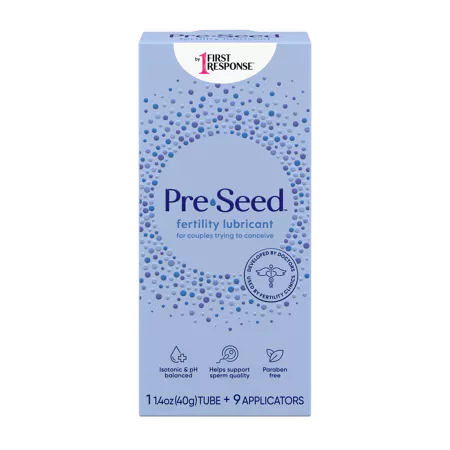
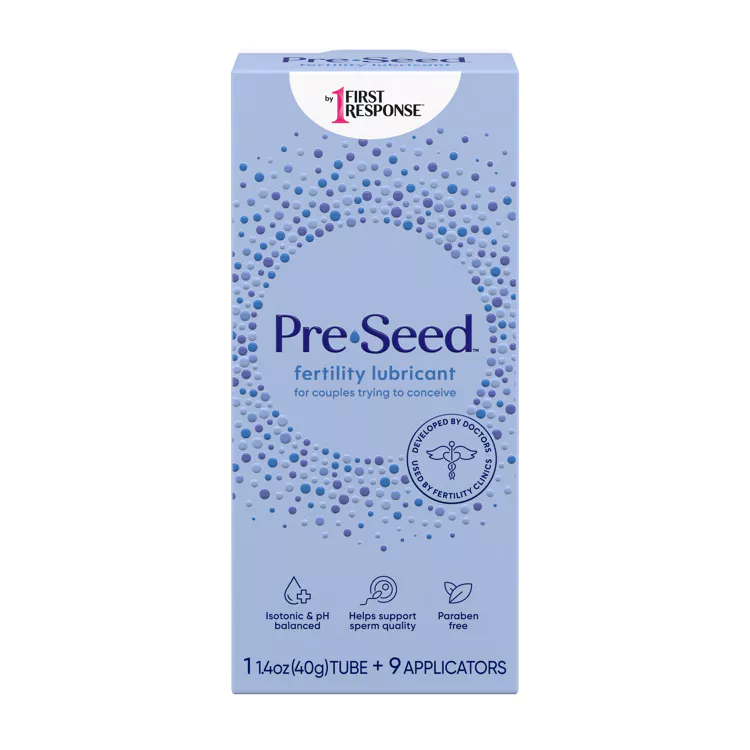
If having planned sex is a challenge, then a fertility-friendly lubricant is a must. Many TTC couples do not know that common personal lubricants like K-Y may negatively affect sperm motility and may actually damage sperm. Leading fertility experts recommend that you use Pre-Seed Fertility-Friendly Lubricant. It was developed by a woman doctor, is clinically shown to be safe for use when trying to conceive and is frequently used by fertility clinics. Use the applicator to apply Pre-Seed near the cervix. Its pH balanced to match fertile cervical mucus as well as the pH of sperm, so it won’t harm your chances of conceiving. - When should I take a pregnancy test? And which one should I use?
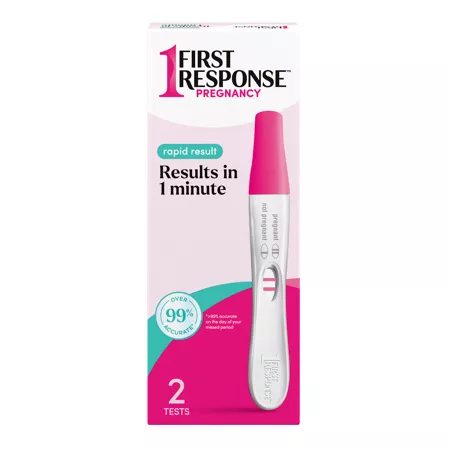
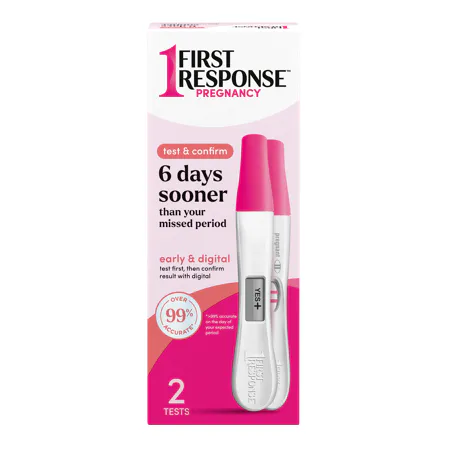
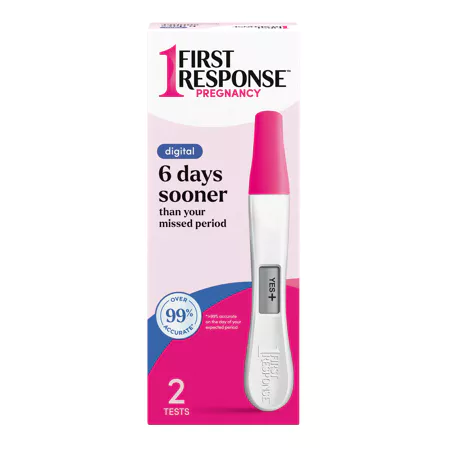
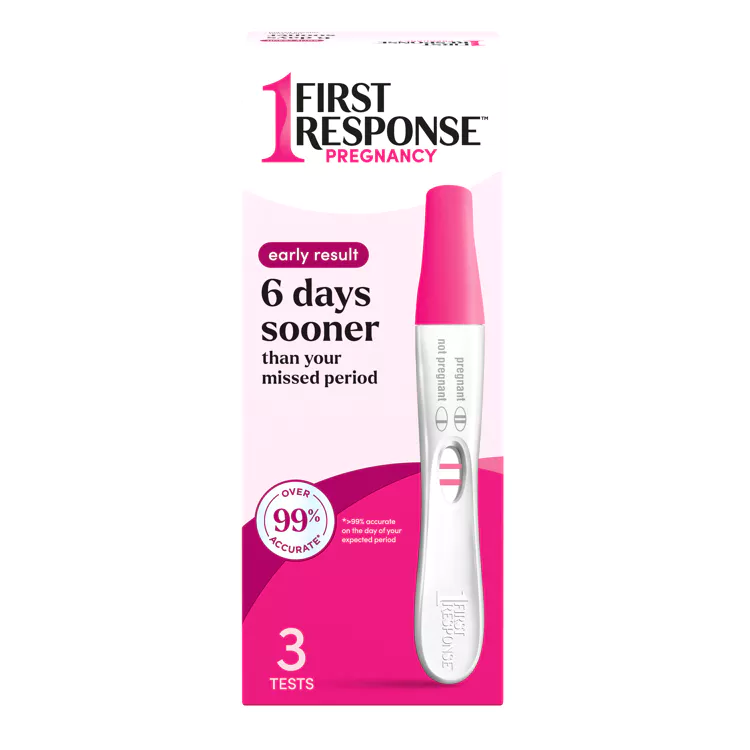
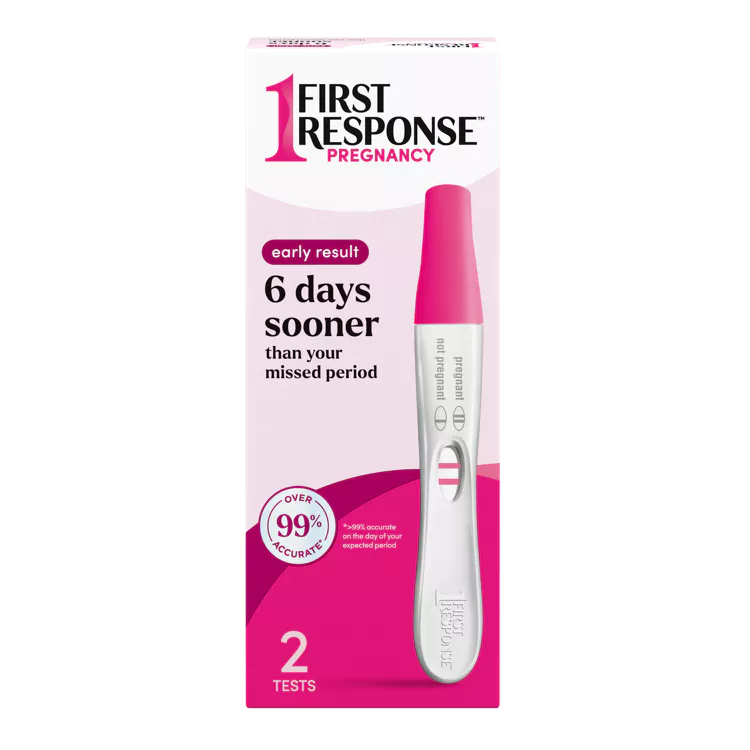
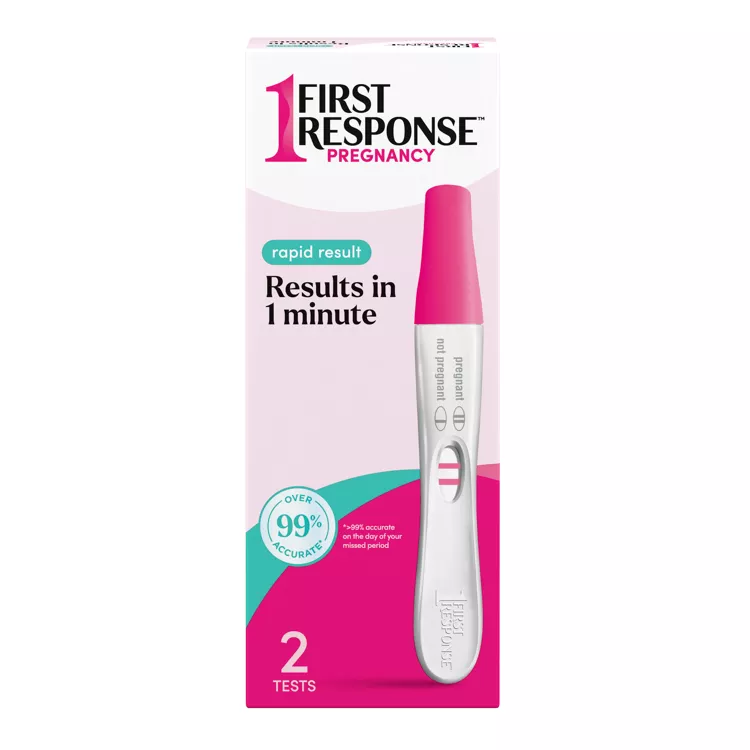
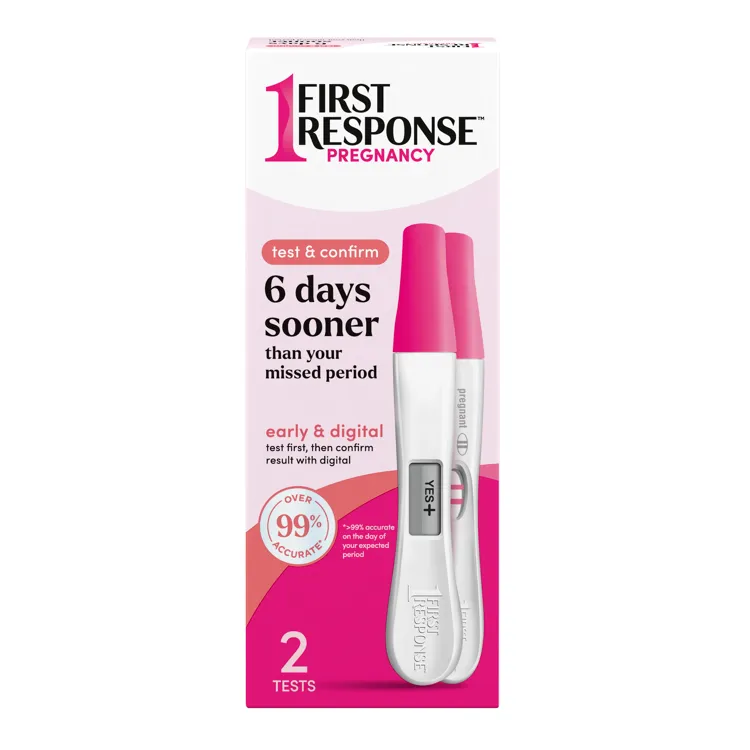
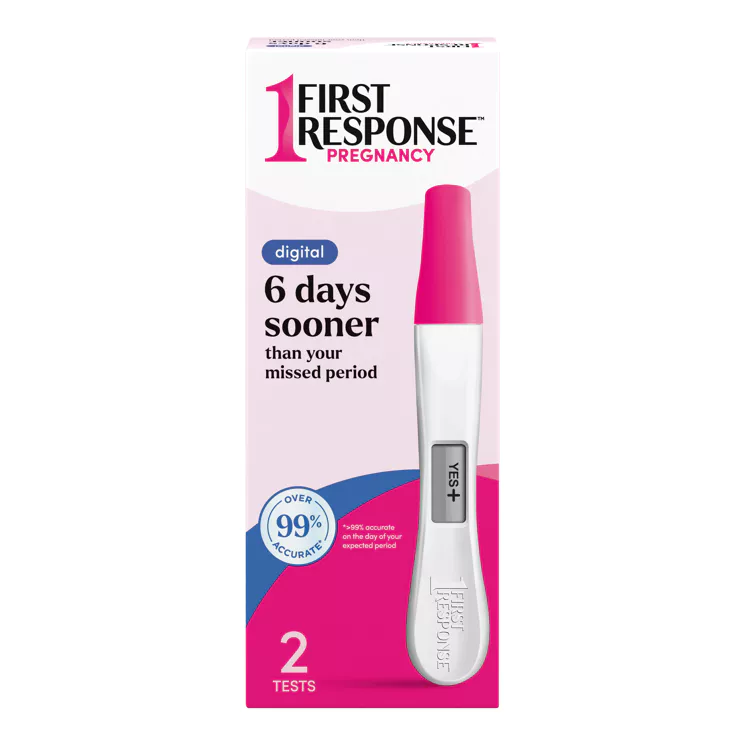
Home pregnancy tests work by detecting levels of the hormone human chorionic gonadotropin (hCG), that is produced during pregnancy. These tests can only detect hCG after implantation occurs, which is generally 10 days post-ovulation (dpo). First Response Early Result is the only pregnancy test that can detect pregnancy up to 6 days before your missed period (9 dpo). That’s one day sooner than any other home pregnancy test in the market. But don’t freak out if a test comes up negative at 10 dpo, since it’s not an exact science and you may still get pregnant up to 15 dpo. A woman who is not pregnant will typically get her period at 15 dpo, so it’s the ‘first day of a missed period.’
These are just a few questions to ask your doctor when you decide you are ready to try to get pregnant. You may also have others that are specific to your health history or personal situation. The important thing is to make sure you have the conversation with your doctor before trying to conceive. That will ensure you are doing all the right things to optimize your natural fertility.