


Elizabeth Yepez, MD is a board certified ObGyn and Clinical Instructor of Obstetrics and Gynecology at the University of Illinois at Chicago School of Medicine. Dr. Yepez has focused much of her career in eliminating racial and socioeconomic health disparities. Much of this is through women’s health education, teaching women about their bodies and encouraging them to be engaged in decisions about their health and well-being. Dr. Yepez promotes empowerment of women and active participation in our communities.
Exercising has many benefits on one’s physical and emotional wellbeing, and you shouldn’t miss out on those perks because of a little belly bump! Actually, exercise before, during and after pregnancy has unique qualities that can enhance each stage of the process. Being fit allows you to maximize that often limited energy and give you an edge up on some of the risks you can encounter in pregnancy. So get those dumb bells out and let’s get pumped through each stage of your pregnancy journey!
Before pregnancy
You and your partner have decided that you are doing a pretty amazing job with the dog, so why not try your parenting skills out on a real baby! You used to workout 5-6 days a week, but lately you’ve been binge watching on Netflix and some shows require a few glasses of wine during viewing… making it difficult to wake up to that morning workout class. Plus, you figure that you will be gaining weight during pregnancy anyway, so why put the effort into working out now?
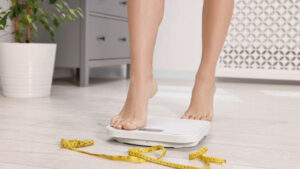
Well, you may like to know that exercising and eating healthy now may actually increase your chances of becoming pregnant. Obese women tend to have irregular menses and may suffer from infertility issues. Fat cells in our body tend to store excess estrogen and this can throw off the delicate balance of estrogen and progesterone that is needed each month in order to have a normal reproductive cycle.
Getting your body into its normal weight range increases the likelihood that your ovaries will release a egg each month during ovulation so that the fertilization process can occur. “Normal weight range” is key here. You don’t want to become too thin and fall under your normal weight range. Women who are too thin or anorexic tend to not have a menstrual cycle and are likely not ovulating every month – making it difficult to become pregnant.
A moderate exercise regimen should be practiced 30-60 min five days a week or a vigorous intensity workout 20-60 min three days a week. This also depends on whether you are trying to lose or maintain your weight status. In addition, exercise will increase those feel good endorphins that will give your libido that extra boost in the baby-making department!
While pregnant
Working out and staying fit during pregnancy may seem like a difficult challenge to accomplish, but it is definitely worth the effort. Appropriate weight gain in pregnancy is a big concern and one that your obstetrician should counsel you on throughout your prenatal care. The old adage of “you’re eating for two” is just not an acceptable one any longer. Studies have shown that women who gain more than the appropriate amount of weight during their pregnancy are at risk for developing diabetes or preeclampsia (a syndrome that includes elevated blood pressures, and can affect the kidney, brain, liver and circulation to the baby). In addition, babies born to obese mothers have a higher risk of growth issues, of being stillborn and of childhood diabetes.
A woman who was average weight based on her Body Mass Index (BMI) prior to getting pregnant should gain 25-35 pounds during pregnancy. An overweight woman only 15-25 pounds, and an obese woman with a BMI >30 should only gain 10-20 pounds.
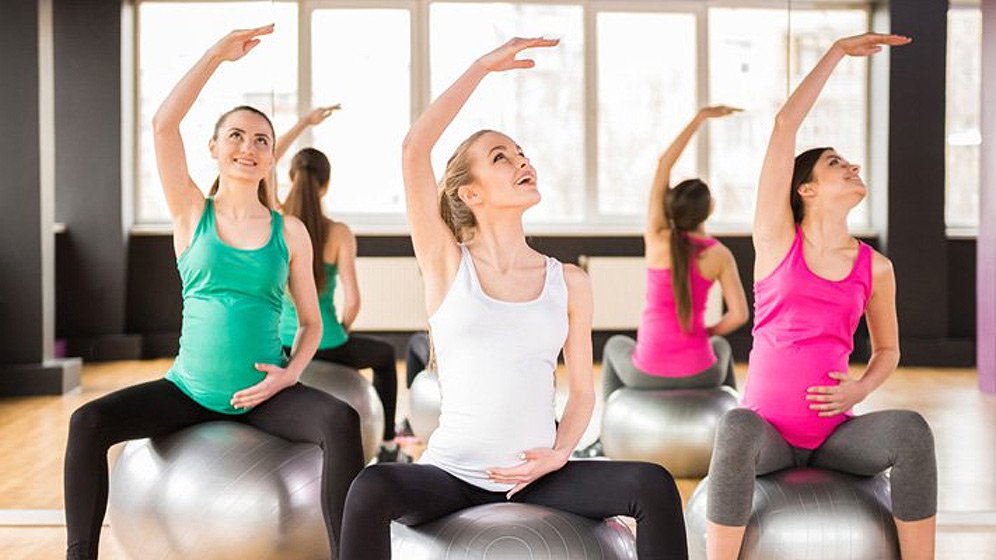
Exercise is always encouraged during pregnancy, unless you have a severe heart condition or certain pregnancy related issues that would prevent you from doing so. Patients with first trimester bleeding, placenta previa, cervical incompetence or other medical conditions should avoid high impact exercise and talk to their doctor before starting. The key is moderation. If you were working out before pregnancy then you can continue your previous workout regimen until you start feeling that your bump is getting in the way or your center of gravity is shifting and throwing off your balance. At that time you need to make some adjustments.
You should never strain yourself or push yourself too hard when working out in pregnancy. Listening to your body is key… it will naturally give you signals that you are overexerting yourself and that it is time to slow down. The extra progesterone in pregnancy can make your joints lax and can put you at risk of injury so take extra caution and use good technique when lifting weights. I recommend using weights at 50% of your max ability to avoid injury and strain, and never lift weights above your head or behind your neck.
Avoid any high impact exercises or activities that can put you at risk of falling or being hit on your belly such as skiing, biking or contact sports. Adding some good stretches to your routine will help alleviate that lower back pain that will inevitably kick in toward the second and third trimesters.
And remember to stay out of the heat and always stay extra hydrated while exercising during pregnancy.
After pregnant
So you managed to stay within a normal weight gain and, thanks to that yoga, you were doing you managed to get through most of your labor without an epidural… good for you! But now those fitted shirts that were showing off your cute baby bump are only showing the world your post baby flab. Once the six weeks postpartum period is over and you get the clearance from your obstetrician, it’s back to the gym again.
This time it’s important to start slow. Ligaments are still returning to their pre-pregnancy state and it’s easy to strain a muscle or cause some dreaded premature pelvic organ prolapse. So while you may be in a rush to get back into those skinny jeans and high-waisted pencil skirts, you may want to sacrifice fashion for function on this one, ladies!
So ease your way back into your exercise routine – listen to your body and hold off on joining crossfit for now. Staying fit is important in all stages of our life. As women, childbearing places such a stress on our bodies that being especially healthy during this period is the best investment we can make towards maximizing our pregnancy outcomes and delivering a strong happy baby – not to mention a strong sexy mama!