



When it comes to sex and conception, there’s a lot of curiosity (and misinformation) about precum. Can it lead to pregnancy? Does it contain sperm? And what about the pull-out method? How effective is it, really? Whether you’re trying to prevent pregnancy or hoping to conceive, understanding how precum works can help you make informed choices.
What is Precum?
Precum, or pre-ejaculate fluid, is a clear, mucus-like liquid released from the penis during sexual arousal. It’s produced by small glands—including the Cowper’s glands—and helps lubricate the urethra. The amount varies from a few drops to several milliliters, and its release is involuntary. Most men don’t even notice when it happens!
Does Precum Contain Sperm?
Precum should be considered potentially fertile. Although precum itself does not contain sperm, but it may carry sperm from a previous ejaculation still present in the urethra. According to the NHS, sperm can be present in fluid released as soon as an erection occurs, meaning ejaculation isn’t always necessary for conception to take place.
Can Precum Cause Pregnancy?
Yes, pregnancy is possible if precum contains viable sperm. The chances of conception increase during ovulation (your most fertile time of the month), if reliable birth control isn’t used, or if birth control isn’t used correctly. If you’re trying to avoid pregnancy, this means using a consistent and effective method of contraception. But if you’re trying to conceive, it’s worth noting that while precum can pose a chance of pregnancy, full ejaculation during intercourse significantly increases the likelihood.
What is the Pull-Out Method?
The pull-out method, or withdrawal, involves removing the penis before ejaculation in an attempt to prevent sperm from entering the vagina. However, because sperm can sometimes be present in precum, this method isn’t foolproof.
How Effective is the Pull-Out Method?
The pull-out method isn’t the most reliable form of birth control—around 22% of couples relying on withdrawal become pregnant each year. Even with perfect execution every time, the risk is about 4%, similar to condoms when used correctly.
Many people choose withdrawal because it’s free, non-hormonal, and doesn’t require a prescription. However, since its effectiveness depends entirely on timing and control, pairing it with condoms or another birth control method can significantly lower the risk of pregnancy if you’re trying to prevent it.
How Soon After Unprotected Sex Can I Test for Pregnancy?
If you’ve had unprotected sex and are wondering whether pregnancy is possible, you might be eager to take a test right away. However, pregnancy tests work by detecting hCG, a hormone that only appears after implantation, which usually happens approximately 9 days after conception in a normal 28-day cycle. For the most accurate result, it’s best to wait until the first day of your missed period.
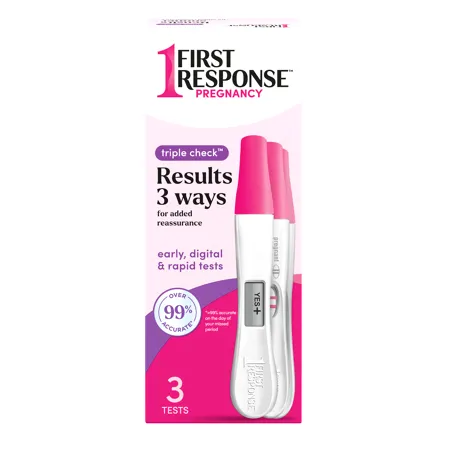
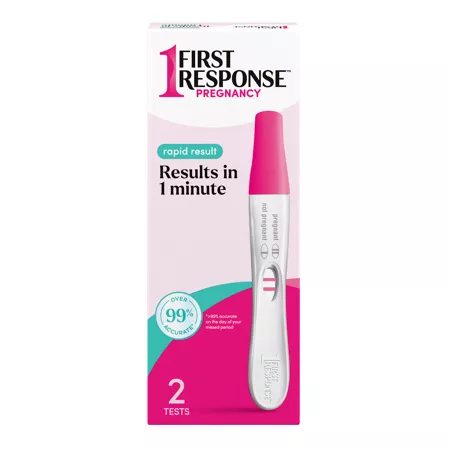
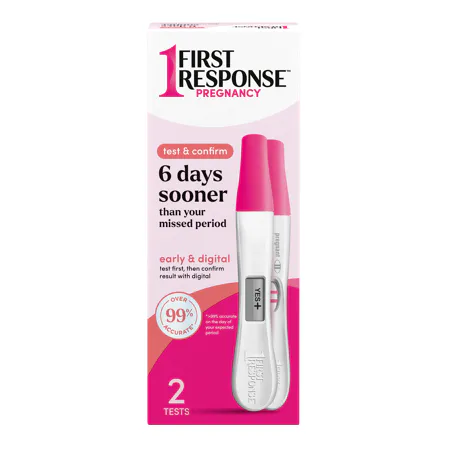
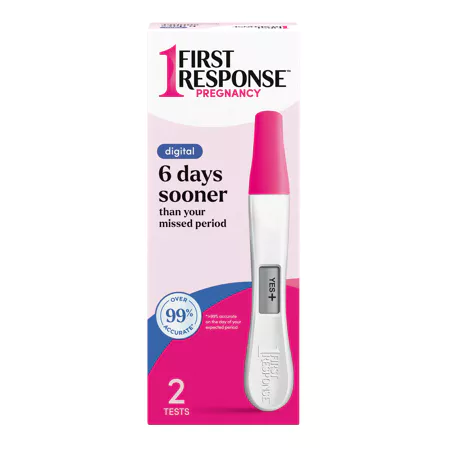
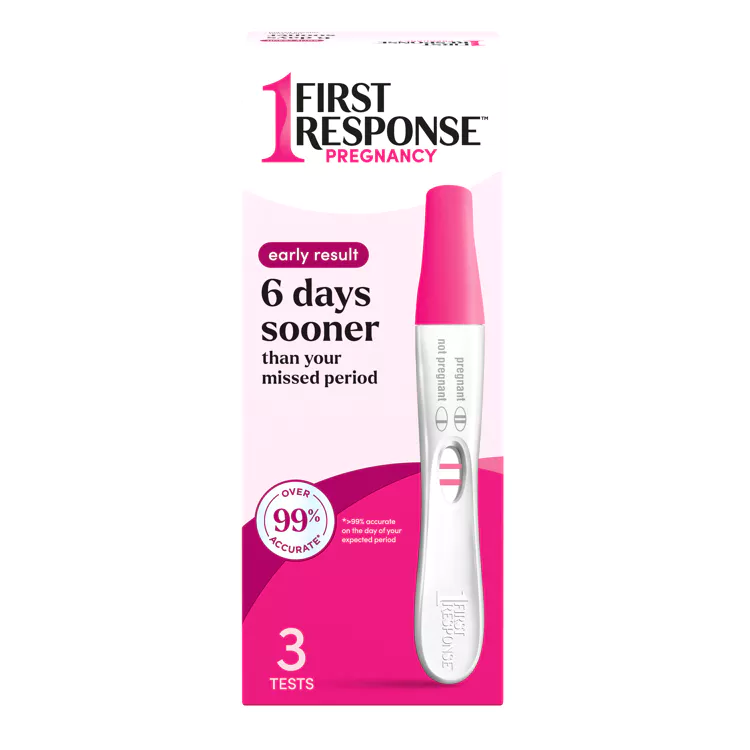
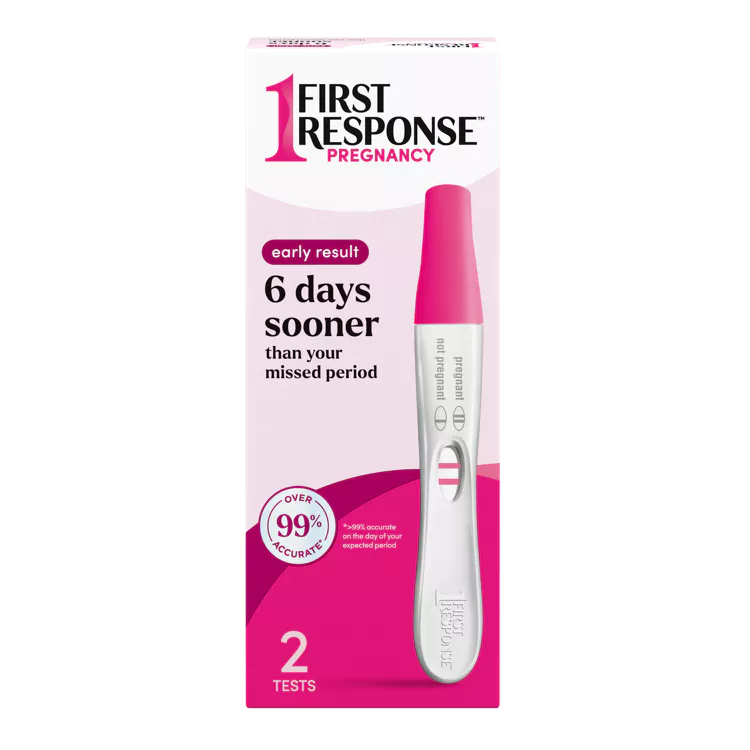
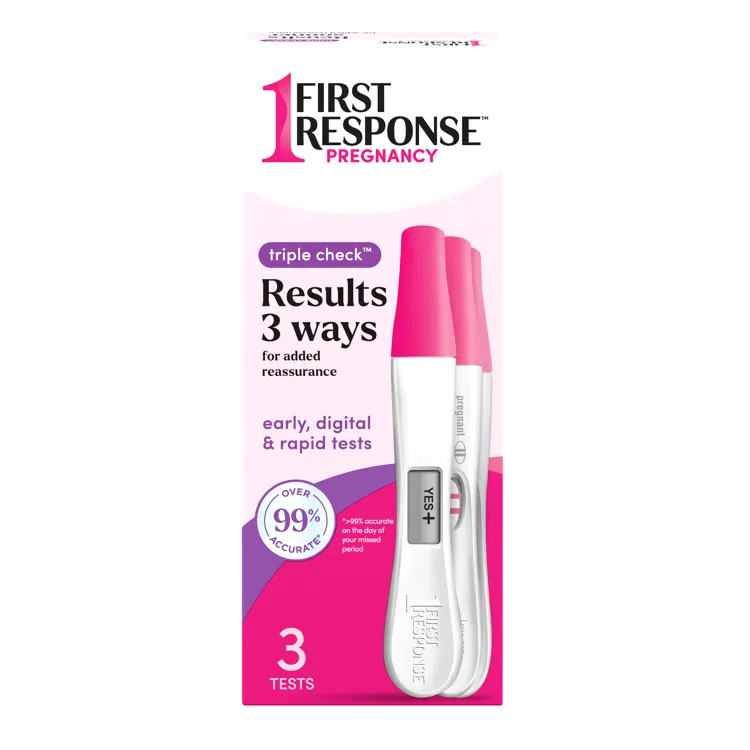
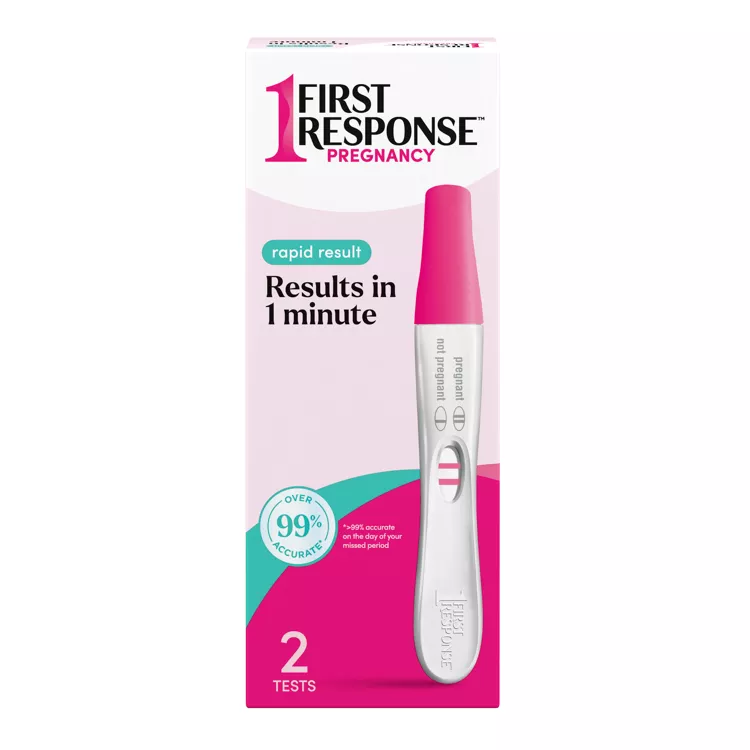
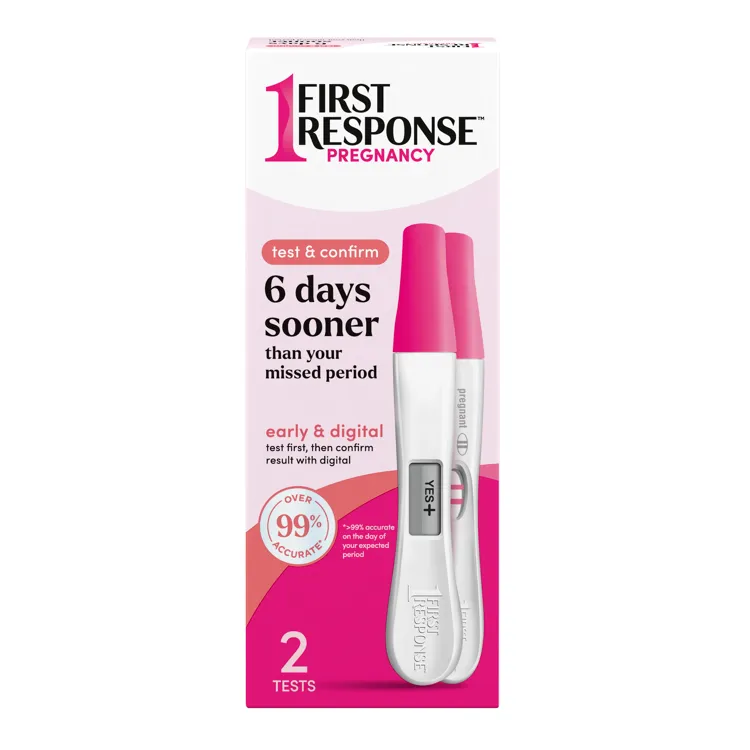
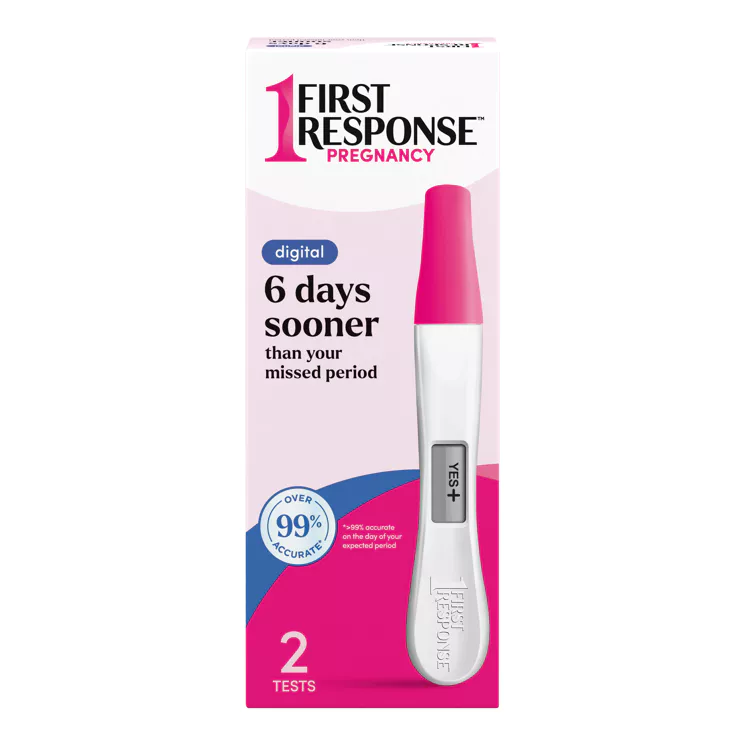
If you’re trying to conceive and want answers sooner, the First Response™ Early Result Pregnancy Test can detect pregnancy up to 5 days before your expected period. For digital results, the First Response™ Digital Pregnancy Test displays a straightforward “Yes+” or “No-” message. Need fast results? The Rapid Result Pregnancy Test delivers answers in just one minute on the day of your missed period or any time after. If you’re uncertain or need guidance, consulting a healthcare provider can help you navigate your next steps—no matter what result you’re hoping for.
*FIRST RESPONSE™ Early Result pregnancy test detects the pregnancy hormone 6 days sooner than the day of your missed period (5 days before the day of expected period). In laboratory testing, First Response Early Result Pregnancy Test detected the pregnancy hormone levels in 76% of pregnant women 5 days before their expected period. See package for details about testing early.
The content provided on this page is intended for informational and educational purposes only. It is not a substitute for professional medical advice, diagnosis, or treatment. Always seek the advice of a qualified healthcare provider with any questions you may have regarding a medical condition.